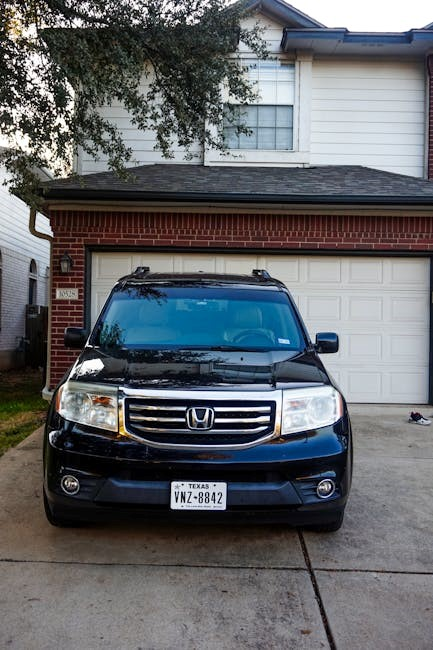
Welcome to the Honda CR-V community! This manual assists with installation‚ operation‚ and maintenance‚ ensuring a successful and enjoyable ownership experience with your 2014 model.
Welcome and Manual Overview
Congratulations on selecting the 2014 Honda CR-V! This owner’s manual is your comprehensive guide to understanding and maximizing your vehicle’s features. It details operation‚ maintenance‚ and safety precautions‚ designed to enhance your driving experience.
We‚ at Screwsline – the UK’s first Screwmonger – understand the value of detailed instructions‚ much like the precision found in our brass wood screws and fixings. This manual mirrors that dedication to quality and clarity.
Explore sections covering everything from dashboard symbols to emergency procedures. Discover genuine Honda accessories and troubleshooting tips. Join our community of satisfied CR-V owners and unlock the full potential of your new vehicle. Remember to consult this manual regularly for optimal performance and longevity.
Safety Precautions
Your safety is paramount. Before operating your 2014 Honda CR-V‚ carefully review these crucial safety precautions. Always wear seatbelts and ensure passengers do the same – proper restraints are vital in any collision. Familiarize yourself with airbag locations and functionality.
Like Screwsline’s commitment to secure fixings with our recessed screw cups‚ Honda prioritizes vehicle integrity. Never operate the vehicle under the influence of drugs or alcohol.
Understand the limitations of the vehicle and drive defensively. Regularly inspect tires‚ fluids‚ and lights. In emergencies‚ know how to safely jump-start the battery or change a flat tire. Refer to the full manual for detailed safety information and warnings‚ ensuring a secure driving experience.

Understanding Your Vehicle
Explore your CR-V! This section details dashboard symbols‚ key features‚ controls‚ and seating arrangements for optimal comfort and safe operation.
Dashboard Symbols and Indicators
Understanding the symbols on your 2014 Honda CR-V’s dashboard is crucial for safe driving. These indicators provide vital information about your vehicle’s systems. Illuminated warning lights require immediate attention‚ while others offer status updates. Familiarize yourself with the meaning of each symbol – from the engine check light to low fuel warnings‚ and brake system indicators.
Pay close attention to symbols related to safety systems‚ such as the airbag indicator and seatbelt reminder. Also‚ understand indicators for features like cruise control‚ traction control‚ and the anti-lock braking system (ABS). Refer to the detailed diagrams in this manual for precise locations and explanations of each indicator. Ignoring a warning light could lead to more serious mechanical issues or compromise your safety.
Key Features and Controls
Your 2014 Honda CR-V boasts a range of features designed for comfort and convenience. This section details the location and operation of essential controls. Explore the steering wheel-mounted audio controls‚ climate control system‚ and the multi-information display. Learn how to adjust the seats‚ mirrors‚ and steering wheel for optimal driving position.
Familiarize yourself with the operation of the infotainment system‚ including the radio‚ CD player‚ and available Bluetooth connectivity. Understand the function of power windows‚ door locks‚ and the available sunroof. This manual provides step-by-step instructions for utilizing each feature‚ maximizing your driving experience and ensuring safe operation of your vehicle’s systems.
Seating and Safety Restraints
Proper seating and restraint usage are crucial for safety. This section details how to adjust your seats for optimal comfort and driving position‚ including lumbar support adjustments. Learn about the proper use of three-point seatbelts for all occupants‚ ensuring they are correctly positioned and secured.
Understand the installation and use of child safety seats‚ adhering to Honda’s guidelines and local regulations. Familiarize yourself with the location and operation of airbags‚ and their importance in a collision. This manual provides detailed instructions for maximizing the effectiveness of all safety features‚ protecting you and your passengers on every journey.
Operating Your Vehicle
Mastering your CR-V’s controls is key! This section guides you through starting‚ stopping‚ driving‚ and essential fluid checks for optimal performance.

Starting and Stopping the Engine
Starting your 2014 Honda CR-V is a straightforward process. Ensure the parking brake is engaged and the gear selector is in ‘Park’. Fully depress the brake pedal‚ then insert the key and turn it to the ‘Start’ position‚ holding until the engine ignites. Release the key once running.
To stop the engine‚ gently apply the brakes to bring the vehicle to a complete halt. Shift the gear selector to ‘Park’ and firmly engage the parking brake. Turn the ignition key to the ‘Lock’ position to shut off the engine and remove the key. Always ensure the vehicle is completely stopped before shifting into ‘Park’ to prevent potential damage.
Driving Modes (if applicable)
The 2014 Honda CR-V does not feature selectable driving modes like some modern vehicles. However‚ the vehicle’s performance characteristics adapt to driving conditions through the standard automatic transmission and responsive engine. Drivers can influence the driving experience through throttle input and braking.
For enhanced control in slippery conditions‚ such as snow or ice‚ utilize gentle acceleration and braking. Avoid abrupt steering maneuvers. The CR-V’s Vehicle Stability Assist (VSA) system will automatically intervene to help maintain control. Remember to adjust your driving style to suit the prevailing weather and road conditions for optimal safety and performance.
Fueling and Fluid Checks
Your 2014 Honda CR-V requires unleaded gasoline with an octane rating of 87 or higher. The fuel tank capacity is 14.3 gallons. Regularly check engine oil levels using the dipstick – ensure it’s between the minimum and maximum marks. Coolant levels should be inspected when the engine is cold‚ checking the reservoir.
Brake fluid and power steering fluid also require periodic checks. Low fluid levels may indicate a leak; consult a Honda service professional. Windshield washer fluid should be topped up as needed for clear visibility. Always refer to the vehicle’s specifications for correct fluid types and capacities.

Maintenance
Regular maintenance is crucial for optimal performance and longevity. Scheduled services‚ fluid checks‚ and tire care are essential for your 2014 Honda CR-V.
Scheduled Maintenance Services
Maintaining your 2014 Honda CR-V’s performance requires adherence to a scheduled maintenance program. These services‚ outlined in your vehicle’s maintenance minder system‚ are vital for ensuring reliability and preventing costly repairs. Regular inspections cover essential components like fluids‚ filters‚ belts‚ and brakes;
Following the recommended intervals—typically based on mileage and time—helps preserve your CR-V’s value and safety. Services include oil and filter changes‚ tire rotations‚ coolant flushes‚ and spark plug replacements. Honda dealerships and authorized service centers possess the expertise and genuine parts to perform these tasks correctly. Prioritizing scheduled maintenance extends the life of your vehicle and provides peace of mind.
Checking and Replacing Fluids (Oil‚ Coolant‚ Brake Fluid)
Regularly inspecting and maintaining your 2014 CR-V’s fluids is crucial for optimal performance. Check the engine oil level using the dipstick‚ ensuring it falls within the marked range; replenish as needed with the recommended grade. Coolant levels should be checked in the reservoir when the engine is cold‚ adding a 50/50 mix of coolant and distilled water if low.
Brake fluid is vital for stopping power; inspect the reservoir and have it professionally flushed per the maintenance schedule. Low fluid may indicate a leak. Always use Honda-approved fluids to avoid damage. Proper fluid levels and quality contribute to longevity and safe operation of your vehicle.

Tire Maintenance (Pressure‚ Rotation‚ Replacement)
Maintaining proper tire care extends their life and ensures safe handling of your 2014 CR-V. Check tire pressure monthly using a reliable gauge‚ inflating to the pressure listed on the driver’s side doorjamb – not the tire sidewall. Regular tire rotation (every 5‚000-7‚500 miles) promotes even wear‚ maximizing tread life.
Inspect tires for damage like cuts or bulges. Replace tires when tread depth reaches the wear bars‚ or after six years‚ regardless of tread depth. Using the correct tire size is essential. Consistent tire maintenance contributes to fuel efficiency and overall vehicle safety.

In Case of Emergency
This section provides crucial procedures for roadside assistance‚ including jump starting‚ tire changes‚ and locating essential contact information for immediate help.
Jump Starting Procedures
If your CR-V’s battery is depleted‚ a jump start can get you going. First‚ position a second vehicle close enough for the jumper cables to reach‚ but do not let the vehicles touch. Ensure both vehicles are turned off. Connect the red (+) cable to the positive terminal of the discharged battery‚ then to the positive terminal of the good battery. Next‚ connect the black (-) cable to the negative terminal of the good battery‚ and finally‚ to a clean‚ unpainted metal surface on your CR-V – not the negative terminal of the discharged battery.
Start the vehicle with the good battery and let it run for a few minutes. Then‚ attempt to start your CR-V. If it starts‚ let both vehicles run for several minutes before disconnecting the cables in the reverse order of connection. If the CR-V doesn’t start after a few attempts‚ consult a qualified mechanic.
Changing a Flat Tire
Should you experience a flat tire‚ safety is paramount. Park on a level surface away from traffic‚ activate your hazard lights‚ and engage the parking brake. Locate your spare tire‚ jack‚ and lug wrench – typically found in the rear cargo area. Loosen the lug nuts on the flat tire before jacking up the vehicle. Position the jack according to your owner’s manual‚ and raise the vehicle until the flat tire is off the ground.
Completely remove the lug nuts and carefully remove the flat tire. Mount the spare tire‚ hand-tighten the lug nuts‚ lower the vehicle‚ and then fully tighten the lug nuts in a star pattern. Finally‚ check the spare tire’s pressure and have the flat tire repaired or replaced as soon as possible.
Emergency Contact Information
In the event of an emergency‚ quick access to vital contact details is crucial. For roadside assistance with your 2014 Honda CR-V‚ contact Honda Roadside Assistance at 1-800-525-8228. Keep this number readily available. For medical emergencies‚ dial 911 (or your local emergency number) immediately.
Additionally‚ retain your insurance provider’s contact information‚ including policy number‚ for accident reporting. Screwsline‚ while a fastener specialist‚ isn’t an emergency contact; however‚ their details (available online) might be useful for vehicle repairs requiring specific fixings. Remember to program emergency contacts into your mobile phone for swift communication.

Technical Specifications
Detailed specifications for your 2014 CR-V are provided here. This includes engine details‚ vehicle dimensions‚ weight‚ and fluid capacities for informed maintenance.
Engine Specifications
Your 2014 Honda CR-V is equipped with a robust and reliable engine designed for optimal performance and fuel efficiency. The standard engine is a 2.4-liter‚ inline-4 cylinder‚ SOHC i-VTEC® engine. This powerplant delivers a balanced combination of power and economy‚ suitable for various driving conditions.
Key specifications include a displacement of 2354 cc (143.8 cu in)‚ producing approximately 185 horsepower at 6000 rpm and 181 lb-ft of torque at 3800 rpm. The engine utilizes a multi-point fuel injection system for precise fuel delivery. Compression ratio is typically around 10.5:1. Understanding these specifications will aid in proper maintenance and troubleshooting‚ ensuring your CR-V continues to deliver dependable service for years to come.
Dimensions and Weight
Understanding the physical characteristics of your 2014 Honda CR-V is crucial for navigating various driving scenarios and parking situations. The CR-V boasts a length of approximately 179.4 inches (4556 mm)‚ a width of 71.6 inches (1820 mm)‚ and a height of 66.1 inches (1679 mm). These dimensions provide a comfortable interior space while maintaining a manageable exterior footprint.
The curb weight varies depending on the trim level and drivetrain‚ generally ranging from 3300 to 3600 pounds (1497 to 1633 kg). Wheelbase measures around 103.1 inches (2619 mm). Knowing these dimensions and weight figures is helpful when considering cargo capacity‚ towing capabilities‚ and overall vehicle handling characteristics‚ contributing to a safer and more informed driving experience.
Capacities (Fuel‚ Oil‚ Coolant)
Maintaining optimal fluid levels is essential for the longevity and performance of your 2014 Honda CR-V. The fuel tank capacity is approximately 15.3 gallons (58 liters)‚ providing a substantial driving range between fill-ups. For engine lubrication‚ the 2.4-liter engine typically requires around 4.2 quarts (4.0 liters) of oil with the filter changed‚ while specific oil weight recommendations are detailed in the maintenance schedule.
The cooling system capacity is roughly 1.7 gallons (6.4 liters)‚ ensuring efficient engine temperature regulation. Additionally‚ the power steering fluid and brake fluid reservoirs have specific capacities outlined in the vehicle’s service documentation. Regularly checking and topping off these fluids‚ as needed‚ will contribute to reliable operation and prevent potential damage.

Accessories and Options
Enhance your CR-V! Genuine Honda accessories and available packages offer customization options‚ from stylish additions to practical upgrades for your 2014 model.
Genuine Honda Accessories
Personalize your 2014 Honda CR-V with a wide array of genuine Honda accessories designed for both style and functionality. These accessories are specifically engineered to integrate seamlessly with your vehicle‚ ensuring a perfect fit and optimal performance; Consider all-season floor mats to protect your CR-V’s interior from wear and tear‚ or a cargo organizer to maximize space and keep belongings secure.
Exterior enhancements include body side moldings for added protection‚ and stylish alloy wheels to elevate the vehicle’s appearance. For convenience‚ explore options like a remote engine starter or a cargo net. Genuine Honda accessories are backed by Honda’s quality assurance‚ providing peace of mind and lasting value. Browse the official Honda website or visit your local Honda dealership to discover the full range of available accessories for your CR-V.

Available Packages and Upgrades
Enhance your 2014 Honda CR-V with various packages and upgrades offered to tailor the vehicle to your specific needs and preferences. Several trim levels were available‚ each building upon the previous one with added features. The LX‚ EX‚ and EX-L trims offered increasing levels of comfort and convenience.
Popular upgrade options included a navigation system for enhanced route guidance‚ a premium audio system for superior sound quality‚ and leather upholstery for a more luxurious interior. Consider the available sunroof for an open-air driving experience. Many CR-Vs also featured optional all-wheel drive for improved traction and stability in various weather conditions. Explore these options to create a CR-V perfectly suited to your lifestyle and driving habits.
Troubleshooting
Addressing common issues is simplified with this guide. Understand warning lights and their meanings for quick diagnosis and solutions‚ ensuring optimal vehicle performance.
Common Issues and Solutions
Experiencing difficulties? Several common issues can arise with your 2014 Honda CR-V. A frequently reported problem involves the vehicle’s Multi-Information Display (MID) malfunctioning‚ often resolved with a simple system reset – disconnect the battery for 10 minutes. Another concern centers around the automatic transmission‚ sometimes exhibiting harsh shifting; ensuring proper fluid levels and condition is crucial;
For minor electrical glitches‚ check fuses before seeking professional help. If encountering issues with the power windows or locks‚ inspect the corresponding fuses. Regarding the vehicle’s infotainment system‚ software updates can often resolve connectivity or performance problems. Remember to consult a qualified technician for complex repairs or persistent issues‚ prioritizing safety and vehicle longevity. Screwsline offers various fixings if needed for repairs!
Warning Lights and Their Meanings
Dashboard illumination requires attention! The Check Engine Light (CEL) indicates a potential engine issue‚ requiring diagnostic scanning. A flashing CEL signals a severe problem needing immediate attention. The Brake System Warning Light illuminates if brake fluid is low or a system malfunction exists. The Battery Warning Light signifies a charging system problem – alternator or battery.
Low oil pressure triggers the Oil Pressure Warning Light‚ demanding an immediate engine shutdown; The ABS warning light indicates an issue with the Anti-lock Braking System. A Tire Pressure Monitoring System (TPMS) light signals low tire pressure. Ignoring warning lights can lead to costly repairs; address them promptly. Screwsline provides quality fixings should any repairs be needed!