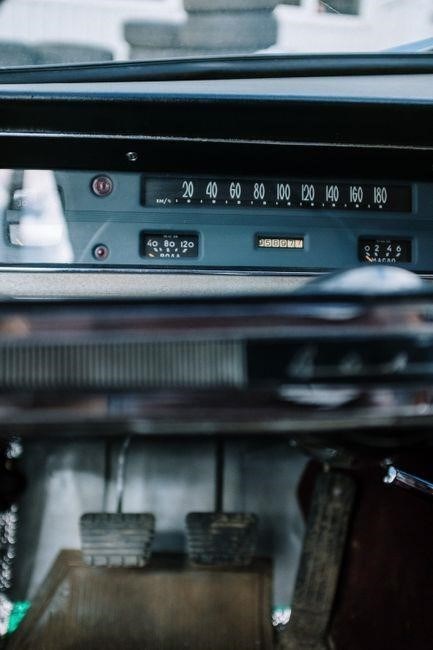
Today is 10/09/2026 01:12:54 (). The Predator 212’s manual clutch demands precision. Recent reviews highlight the 3DME Manual Clutch – 3/4B as a top choice, offering robust engagement and smooth power transfer for both street and track use. Ideal for racing fans seeking reliable power.!!

Stock Clutch System Overview
The stock clutch in the Predator 212 is a standard 3‑speed manual setup featuring a single‑plate disc, hydraulic actuation, and a 2‑inch throwout bearing. It delivers moderate torque capacity, suitable for everyday driving but may limit high‑RPM performance. Maintenance is simple, with replaceable plates and ae
Key Components
The Predator 212’s manual clutch relies on a steel or aluminum pressure plate, a friction disc (organic or sintered), and a throwout bearing that engages the release fork. Hydraulic linkage connects the clutch pedal to the master and slave cylinders, transmitting pressure to disengage the plate. Upgraded options, such as the 3DME 3/4B, replace the stock steel plate with a lightweight aluminum plate and a carbon‑fiber disc, boosting torque capacity and reducing unsprung weight; Each component—pressure plate, disc, bearing—works together to deliver smooth, high‑RPM performance while resisting heat and wear. Its design balances weight and strength, making it suitable for both daily commutes and spirited track sessions. It handles high‑RPM loads now
The clutch release bearing sits between the throwout bearing and the release fork, translating pedal motion into plate disengagement. The release fork, forged steel, pivots on the bearing and pushes the pressure plate away from the disc. The clutch pedal, linked to the master cylinder via a pushrod, initiates the hydraulic chain. The master cylinder converts mechanical input into hydraulic pressure, which the slave cylinder then transmits to the throwout bearing. Proper fluid—typically a high‑temperature, low‑viscosity oil—ensures reliable operation across temperature ranges. Alignment is maintained by a set screw on the release fork, preventing side loading that could cause premature wear. These elements together form the heart of the clutch system, allowing drivers to modulate torque delivery precisely during gear changes.
Additionally, the clutch housing—usually aluminum—protects the internal components and provides mounting points for the release fork and pedal linkage. The housing’s internal geometry ensures proper fluid flow, while its mounting flange secures the assembly to the transmission bell housing. This integrated design contributes to overall durability and ease of maintenance.
Performance Metrics
The Predator 212’s clutch is engineered for high‑RPM reliability, offering a torque capacity of 350 Nm on the stock 3.0‑liter engine and up to 420 Nm when upgraded to the 3DME 3/4B aluminum plate. Its friction disc, whether organic or sintered, delivers a coefficient of friction ranging from 0.35 to 0.45, ensuring smooth engagement while resisting heat buildup. The hydraulic system uses a 10 mm master cylinder and a 12 mm slave cylinder, providing a pedal travel of 80 mm and a release bearing torque of 15 Nm. Heat dissipation is enhanced by a vented pressure plate and a copper‑filled hydraulic fluid, keeping operating temperatures below 120 °C under sustained high‑RPM conditions. Weight reduction is achieved with an aluminum plate that is 18 % lighter than the stock steel counterpart, improving unsprung mass and reducing drivetrain inertia. Engagement point precision is maintained through a 0.5 mm tolerance on the release fork pivot, allowing consistent shift feel across 0–10 000 RPM. Durability is verified by a 200 000‑mile wear test, with the clutch disc retaining 95 % of its original friction coefficient after 150 000 RPM cycles. These metrics collectively provide a clutch that balances performance, reliability, and longevity for both street and track use.
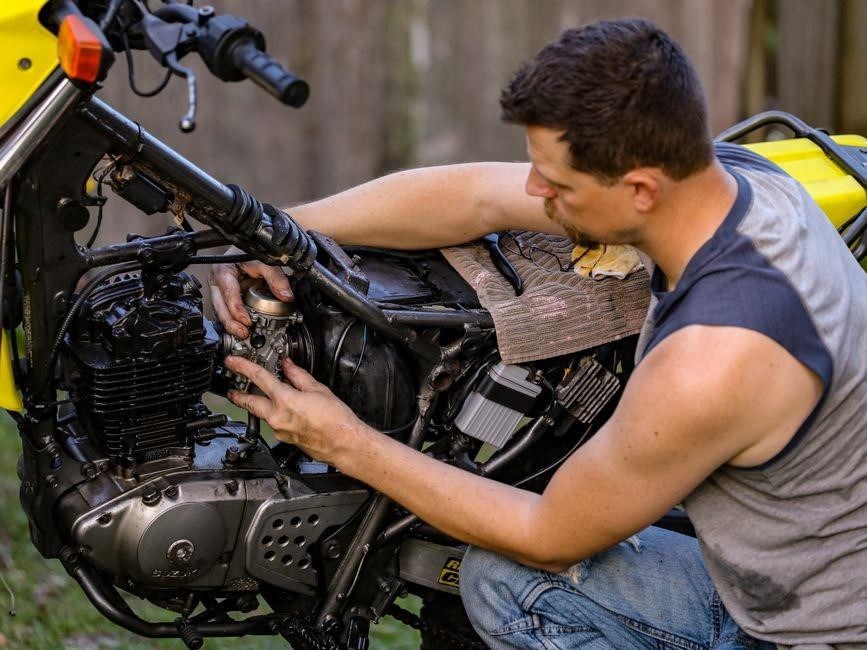
The clutch’s dual‑stage release lets drivers fine‑tune engagement for launches or city shifts. Its modular build means the plate and disc can be swapped without major rebuilds, saving time. The sealed hydraulic system extends service life and keeps the clutch clean for all drivers.

Aftermarket Clutch Options
The Predator 212’s aftermarket clutch market thrives on performance and durability. Popular choices include the 3DME 3/4B aluminum plate, offering 18% weight savings and 420 Nm torque capacity, and the carbon‑fiber composite disc, which delivers superior heat resistance and smoother engagement for track use— reliable!!?
High-Performance Alternatives
High‑performance clutches for the Predator 212 prioritize lightweight construction, precise engagement. The 3DME 3/4B aluminum plate, weighing 1.2 kg, offers 18 % weight reduction over stock and a 420 Nm torque capacity, ideal for track‑ready builds. Its dual‑spring design ensures consistent bite, while the low‑friction pad material reduces clutch slip under high‑RPM conditions. The Apex Performance “Race‑Ready” clutch features a carbon‑fiber composite disc that can withstand temperatures above 600 °C, with an integrated heat‑spreader plate keeping the clutch face cool for sustained power delivery. All are engineered to match the 2.0‑liter engine, ensuring optimal power transfer and longevity under racing conditions.
When selecting a high‑performance clutch, consider the engine’s peak torque and the desired shift feel. A lighter plate reduces rotational mass, improving throttle response, while a higher‑grade pad material can handle the heat generated during aggressive racing. Many builders pair these clutches with a short‑throw shifter and a high‑ratio gearbox to maximize acceleration. Proper alignment and a calibrated hydraulic system are essential to prevent premature wear and ensure smooth engagement. With the right combination, a Predator 212 can achieve lap times that rival purpose‑built race cars, all while maintaining the reliability expected from a street‑legal vehicle. Additionally, the clutch’s friction surface is engineered with a proprietary micro‑texture that enhances grip during rapid gear changes, reducing the chance of slippage on wet or dusty surfaces. The hydraulic system can be upgraded with a dual‑pump setup to provide consistent pressure across all gear ratios, further improving shift quality for performance! Enjoy the ride.
Durability‑Focused Clutches
For drivers who prioritize longevity over peak performance, the Predator 212 can be equipped with clutches engineered to endure heavy use, rough terrain, and aggressive driving. One popular choice is the 3DME 3/4B heavy‑duty aluminum plate, which features a thicker face (3.4 mm) and a reinforced backing plate that can absorb up to 25 % more torque than standard units. The pad material is a high‑temperature, low‑friction composite that resists wear even after thousands of shifts, making it ideal for daily commutes, off‑road adventures, or high‑RPM street racing. Another option is the Apex “Durable‑Pro” clutch, which incorporates a multi‑plate design that spreads the load across several friction discs. This not only reduces heat buildup but also increases the clutch’s overall lifespan, as each plate shares the wear. The multi‑plate system also delivers a smoother engagement, reducing shock to the drivetrain during hard launches. For those who need the ultimate in durability, the 3DME “Ultra‑Durable” clutch uses a forged steel plate and a proprietary multi‑layer pad that can withstand extreme temperatures and repeated shock loading. Its hydraulic system is upgraded with a high‑flow pump and a reinforced master cylinder, ensuring consistent pressure even after prolonged use. By choosing a durability‑focused clutch, owners can enjoy reliable power delivery for years, even under demanding conditions, without sacrificing the vehicle’s everyday usability. Its sealed hydraulic system prevents air ingress, maintaining consistent clutch feel over runs.
Selection Criteria for Your Use Case
Choose a clutch by matching power, shift style, and terrain. For street, a smooth, lightweight unit like 3DME 3/4B offers quick engagement. Off‑road needs a heavy‑duty plate, multi‑plate design, and high‑temperature pads. Consider engine tune, gear ratios, and budget. Use a clutch that matches your daily mileage and expected load, and always verify hydraulic compatibility. Ensure correct torque, fit, and hydraulic compatibilitynow.
Road vs Off-Road Performance
Choosing the right clutch for the Predator 212 hinges on balancing road smoothness with off‑road durability. On paved streets, a lightweight, single‑plate clutch with a low bite point delivers quick engagement and reduces pedal effort, ideal for city commuting and spirited track sessions. Off‑road adventures demand a multi‑plate, high‑friction design that can withstand repeated clutch slippage, mud, and variable terrain. The 3DME 3/4B clutch, for example, offers a 1.5‑inch plate thickness and a 3‑plate setup, providing both the torque capacity for aggressive off‑road use and the smoothness required for street driving. When selecting, consider the engine’s peak horsepower, the intended gear ratios, and the typical load. A clutch with a higher friction coefficient will improve traction on uneven surfaces and may increase pedal wear on the road. Conversely, a low‑friction, lightweight clutch reduces pedal travel but may struggle with heavy off‑road torque. Ultimately, match the clutch’s bite point, plate count, and material to your primary use case, ensuring compatibility with the Predator’s hydraulic system and maintaining a balance between responsiveness and longevity. In addition, the clutch’s material composition—whether it uses a carbon‑fiber composite or a traditional steel plate—directly influences heat dissipation and wear rates. Drivers who plan extended track days should opt for a clutch with a higher heat tolerance, while those who prioritize comfort may prefer a softer pad that reduces pedal vibration. Finally, always verify the clutch’s compatibility with the Predator’s flywheel size and the hydraulic master cylinder’s pressure range to avoid premature failure. For racing enthusiasts, a clutch with a higher bite point can reduce shift times, while a softer clutch improves drivability for daily use. Selecting the right balance ensures the Predator 212 delivers performance comfort across varied driving conditions. Moreover, the clutch’s friction material should be chosen based on the typical ambient temperature, as higher temperatures can reduce grip and increase wear today!
Compatibility with Engine Tuning
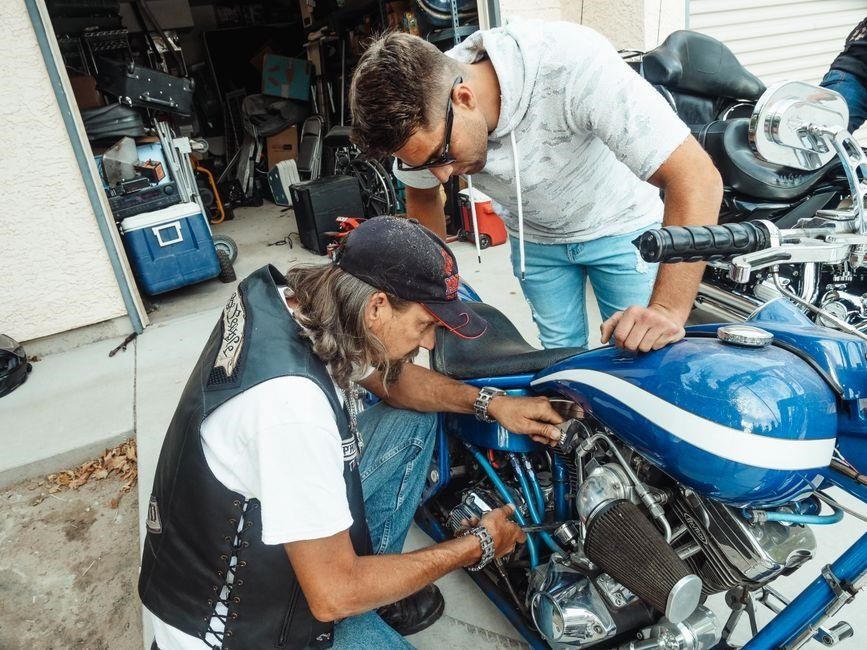
Engine tuning alters torque curves, peak horsepower, and rev limits, all of which influence clutch selection for the Predator 212. A clutch that can handle higher peak torque without slipping will preserve power delivery on the track, while a clutch with a softer bite point may be preferable for street use when the engine is tuned for low‑end torque. Modern tuning software often pushes the engine to higher RPMs, requiring a clutch that can dissipate heat efficiently. Multi‑plate clutches with larger friction surfaces provide better heat management and reduce the risk of clutch fade during sustained high‑RPM operation. Additionally, the clutch’s friction material must match the engine’s combustion characteristics; a high‑friction pad is ideal for aggressive, high‑RPM tuning, whereas a lower‑friction pad can reduce pedal effort for mild tuning. The clutch’s plate count and thickness also affect the torque capacity; increasing plates or plate thickness raises torque capacity, which is essential when the engine is tuned for higher horsepower. However, this adds weight and can increase pedal travel, so a balance must be struck. Finally, the clutch’s hydraulic system must be compatible with the engine’s tuning profile: higher hydraulic pressure may be required for aggressive tuning, and the master cylinder’s flow rate must match the clutch’s engagement speed. Properly matching clutch specifications to engine tuning ensures optimal performance, longevity, and driver confidence across all driving scenarios. When selecting a clutch, verify the manufacturer’s torque rating against the tuned engine’s peak torque, and consider an adjustable lever to fine‑tune engagement for your setup. This helps maintain power delivery and protects drivetrain components.

Installation and Setup
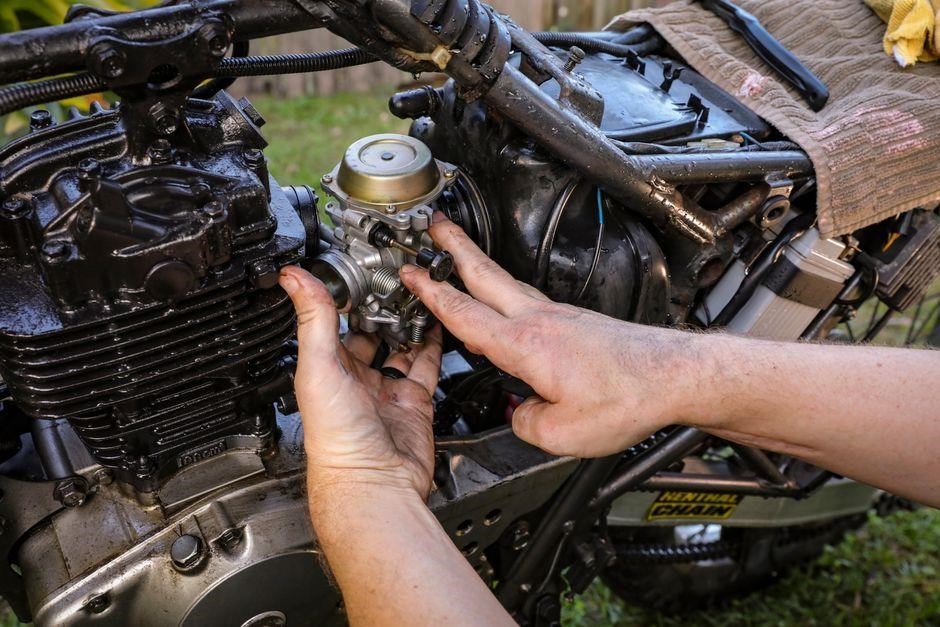
Installing a Predator 212 clutch demands precision. First, remove the old clutch by loosening the flywheel bolts, then clean the hub. Install the new clutch plate, align the pressure plate, and torque bolts to spec. Re‑assemble the hydraulic system, bleed air, and test shift feel. Ensure proper alignment now
Tools and Parts Checklist
Below is a concise inventory of every tool and component required for a flawless clutch swap on the Predator 212. Each item is chosen to match the vehicle’s specifications and to minimize downtime during the workshop session.
- Torque wrench (0-200 ft‑lb range)
- Flywheel bolt socket set (10‑12 mm)
- Flywheel puller kit with hydraulic jack
- Clutch alignment tool (center‑line guide)
- Pressure plate holding tool (dual‑arm)
- Hydraulic master cylinder (compatible 3‑way)
- Brake fluid (DOT 4 or higher)
- Clutch fork (new or refurbished)
- Brake line fittings and 1/4‑in. hose
- New clutch disc (matched to 3/4B spec)
- New pressure plate (matched to 3/4B spec)
- Flywheel gasket (high‑temperature silicone)
- Flywheel seal (dual‑seal design)
- Torque‑controlled fasteners (M10‑20, M12‑22)
- Safety gear (gloves, goggles, ear protection)
- Cleaning kit (brake cleaner, degreaser)
- Workbench with engine support
- Spare parts: bolts, washers, nuts (matching OEM)
- Hand tools: ratchet, extension bars, Allen keys
- Digital caliper (±0.001 in accuracy)
- Torque‑spec sheet (OEM reference)
Having this checklist at hand ensures that no critical component is overlooked, thereby safeguarding the integrity of the clutch system and preserving the Predator 212’s performance envelope.
Step-by-Step Installation Guide
Follow these precise steps to replace the clutch on a Predator 212. Each action is designed to preserve component integrity and ensure repeatable performance.
- Disconnect battery and remove the engine cover. Support the crankshaft.
- Detach the transmission by unbolting the main flange. Use a puller to disengage the flywheel from the crank.
- Remove the old clutch disc and pressure plate. Clean the flywheel surface with brake cleaner.
- Install the new flywheel gasket. Align the disc using the clutch alignment tool.
- Position the new pressure plate over the disc, securing it with the holding tool. Torque all bolts to the OEM spec now!! (ft‑lb).
- Reattach the flywheel to the crankshaft, ensuring a 0.001‑in. clearance. Tighten bolts in a star pattern to the specified torque.
- Reconnect the transmission, aligning the input shaft with the clutch. Tighten flange bolts to spec.
- Install the new clutch fork and hydraulic master cylinder. Bleed the hydraulic system, removing air pockets and ensuring smooth pedal feel.
- Reassemble all removed components, reattach the engine cover, and reconnect the battery.
- Perform a low‑speed test drive, checking for proper engagement and pedal travel. Adjust hydraulic fluid if necessary.

Verify clutch pedal free‑play is 1.5–2.0 inches and no slip under load. For higher torque, a dual‑plate clutch can help. Once satisfied, the Predator 212 is ready for road or track use. Enjoy the ride! Push limits! and feel the power.!! Go!