Understanding the Neutropenic Diet
Numerous online resources offer neutropenic diet PDFs, often from hospitals. These guides detail safe food choices, handling, and preparation methods for individuals with low neutrophil counts.
What is Neutropenia?
Neutropenia is a condition characterized by an abnormally low count of neutrophils, a type of white blood cell crucial for fighting infection. This deficiency significantly weakens the immune system, making individuals highly susceptible to bacterial, viral, and fungal infections. It’s frequently caused by treatments like chemotherapy and stem cell transplants, but can also arise from certain medications or underlying health conditions.
Understanding the severity of neutropenia is vital, as even minor infections can become life-threatening. Consequently, a specialized diet, often detailed in a neutropenic diet PDF, becomes essential to minimize exposure to harmful microorganisms and support the body’s weakened defenses. Careful food selection and preparation are paramount for patient safety.
Why a Special Diet for Neutropenia?
A special diet is crucial for neutropenic patients because their compromised immune systems struggle to combat bacteria and other pathogens commonly found in food. Standard food preparation doesn’t always eliminate these risks, necessitating strict guidelines. A neutropenic diet PDF outlines these precautions, focusing on minimizing microbial load.
The goal isn’t to “boost” immunity directly through diet, but to reduce the risk of infection by limiting exposure to harmful microorganisms. This involves avoiding foods with a higher risk of contamination, like raw produce, and adhering to meticulous food handling practices. Resources, like downloadable PDFs, provide detailed instructions for safe food choices and preparation techniques, safeguarding vulnerable patients.

Core Principles of a Neutropenic Diet
Neutropenic diet PDFs emphasize minimizing bacterial exposure through thoroughly cooked foods, pasteurization, and careful handling—reducing infection risk for immunocompromised individuals.
Focus on Low-Microbial Foods
Neutropenic diet PDFs consistently highlight the critical importance of selecting foods with minimal microbial loads. This means prioritizing freshly prepared meals over leftovers, and opting for ingredients that have been rigorously cleaned and properly stored. Resources detail how bacterial growth thrives in certain environments, making some foods inherently riskier for those with weakened immune systems.
PDF guides often categorize foods based on their risk level, advising strict avoidance of raw or unpasteurized items. Emphasis is placed on choosing commercially packaged foods whenever possible, as these typically undergo stringent quality control measures. Understanding food safety guidelines, as presented in these downloadable resources, is paramount for individuals adhering to a neutropenic diet, significantly reducing the potential for foodborne illness.
Safe Food Handling Practices
Neutropenic diet PDFs extensively cover safe food handling, stressing meticulous hygiene to minimize bacterial contamination. These resources detail proper handwashing techniques – a cornerstone of food safety – and advocate for dedicated cutting boards and utensils for raw versus cooked foods. Thorough cleaning and disinfection of kitchen surfaces are also repeatedly emphasized.
PDF guides often provide step-by-step instructions on safe food storage, including recommended refrigeration temperatures and time limits for leftovers. They also caution against cross-contamination, advising separate storage of raw meats and produce. Adhering to these practices, as outlined in the downloadable materials, is crucial for individuals with neutropenia, as even minor lapses in food safety can lead to serious infections.

Foods to Include on a Neutropenic Diet
Neutropenic diet PDFs highlight well-cooked meats, poultry, pasteurized dairy, and thoroughly cooked vegetables as safe options, minimizing infection risk for patients.
Well-Cooked Meats and Poultry
Neutropenic diet PDFs consistently emphasize the importance of consuming meats and poultry that are thoroughly cooked. This is crucial because raw or undercooked meats can harbor harmful bacteria that pose a significant risk to individuals with compromised immune systems, specifically those experiencing neutropenia.
The recommended internal temperature for both meats and poultry should be reached to ensure any potential pathogens are eliminated. Resources often specify using a food thermometer to verify doneness. Avoid processed meats unless they have been heated until steaming hot. Careful attention to cooking temperatures, as detailed in downloadable diet plans, is paramount for patient safety and infection prevention during periods of neutropenia.
Cooked Vegetables (Avoiding Raw)
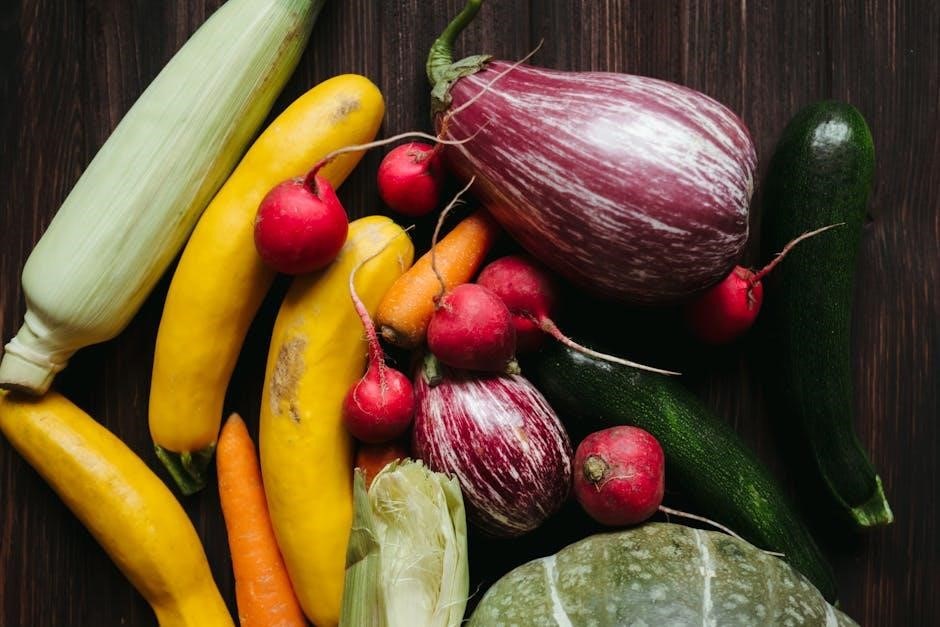
Neutropenic diet PDFs universally advise against consuming raw vegetables. This restriction stems from the potential for soil-borne bacteria and other microorganisms to thrive on unwashed or uncooked produce, presenting a serious infection risk for individuals with weakened immune systems.
All vegetables should be thoroughly cooked until softened and steaming hot. Boiling, steaming, or roasting are preferred methods. Detailed guides often provide specific cooking time recommendations for various vegetables. Even if vegetables are cooked, meticulous washing beforehand remains essential, as outlined in many downloadable diet plans. Prioritizing fully cooked vegetables is a cornerstone of minimizing infection risk during neutropenic phases.
Pasteurized Dairy Products
Neutropenic diet PDFs consistently emphasize the necessity of consuming only pasteurized dairy products. Pasteurization is a heat treatment process that eliminates harmful bacteria, significantly reducing the risk of foodborne illness for individuals with compromised immune systems. This includes milk, yogurt, cheese, and any other dairy-based items.
Unpasteurized, or “raw,” dairy products may harbor dangerous microorganisms. Diet plans frequently highlight this risk, explicitly stating to avoid raw milk cheeses or homemade dairy products where pasteurization status is uncertain. Checking labels to confirm pasteurization is crucial. Many downloadable resources provide lists of safe dairy brands and products, offering practical guidance for patients following a neutropenic diet.

Foods to Avoid on a Neutropenic Diet
Neutropenic diet PDFs detail avoiding raw produce, unpasteurized items, and fermented foods due to potential bacterial contamination, posing a significant infection risk.
Raw Fruits and Vegetables
Neutropenic diet PDFs consistently emphasize avoiding raw fruits and vegetables due to the potential for harboring harmful bacteria and fungi. Even seemingly clean produce can carry microorganisms dangerous to individuals with compromised immune systems. Thorough washing is insufficient to eliminate these risks, making cooked options the safer choice.
Specifically, PDFs highlight concerns regarding E. coli, Salmonella, and Listeria, commonly found on unwashed produce. This isn’t simply about visible dirt; microscopic contaminants pose the greatest threat. Patients are advised to completely abstain from raw sprouts, salads, and any fruit or vegetable not subjected to sufficient heat to kill potential pathogens. Carefully reviewing provided PDF guides is crucial for understanding specific acceptable preparation methods.
Unpasteurized Dairy and Juices
Neutropenic diet PDFs universally recommend avoiding unpasteurized dairy products and juices. Pasteurization is a heat treatment process that eliminates harmful bacteria, making these items safe for consumption by individuals with weakened immune systems. Raw milk and unpasteurized juices can contain dangerous pathogens like E. coli, Salmonella, and Listeria, posing a significant infection risk.
PDF resources clearly state that “raw” or “unpasteurized” labels are absolute contraindications. This includes soft cheeses made with unpasteurized milk, such as Brie and feta, as well as fresh-pressed juices sold at farmers’ markets or health food stores. Always verify pasteurization on product labels, and when in doubt, choose pasteurized alternatives to minimize potential health complications.
Fermented Foods
Neutropenic diet PDFs consistently advise against consuming fermented foods due to their potential for harboring live microorganisms. While some fermented foods offer health benefits for individuals with healthy immune systems, they can be dangerous for those undergoing treatments that compromise immunity. Foods like sauerkraut, kimchi, yogurt with live cultures, and kombucha are generally restricted.
These PDFs explain that the live bacteria and yeasts present in fermented products, even if generally harmless, can cause infection in neutropenic patients. The risk outweighs any potential probiotic benefits. It’s crucial to carefully read ingredient lists, as fermentation can be a hidden component in various processed foods. Strict avoidance is recommended to minimize the risk of opportunistic infections.

Detailed Dietary Guidelines & Resources
Many hospital-provided neutropenic diet plans are available as PDFs, offering specific instructions and food lists tailored to patient needs and treatment protocols.
Importance of Thoroughly Washing Produce (Even if Cooked)
Even when produce will be cooked, meticulous washing remains crucial on a neutropenic diet. PDFs from reliable sources emphasize removing potential microbial contaminants; This isn’t simply rinsing; it involves scrubbing firm produce with a clean brush under running water. Soaking in water with a produce wash, followed by rinsing, is also recommended.

The reason is that cooking may not eliminate all harmful bacteria or fungi. Thorough washing significantly reduces the microbial load, minimizing risk for those with compromised immune systems. Neutropenic diet PDFs often illustrate proper washing techniques and highlight the importance of separate cutting boards and utensils for produce to prevent cross-contamination. Remember, vigilance is key to food safety.
Safe Water Sources
Neutropenic diet PDFs consistently stress the importance of safe water sources. Individuals following this diet should avoid tap water unless it’s been boiled for one minute, or filtered using a filter with an absolute pore size of 1 micron or smaller. This precaution minimizes exposure to waterborne bacteria and parasites.
Bottled water is generally considered safe, but PDFs advise checking for seals and ensuring the source is reputable. Ice should be made from safe water. Avoid water from unknown sources, like wells, without proper testing and treatment. Many hospital-provided diet plans specifically outline approved water sources. Prioritizing safe hydration is a fundamental aspect of minimizing infection risk.
Neutropenic Diet and Stem Cell Transplants
Neutropenic diet PDFs often detail stricter post-transplant restrictions, extending the diet’s duration and emphasizing meticulous food safety protocols for prolonged immune suppression.
Dietary Restrictions Post-Transplant
Following stem cell transplantation, neutropenic diet PDFs typically outline significantly more stringent guidelines. These restrictions often extend far beyond those for standard chemotherapy-induced neutropenia, lasting for several months, or even longer, depending on immune reconstitution.
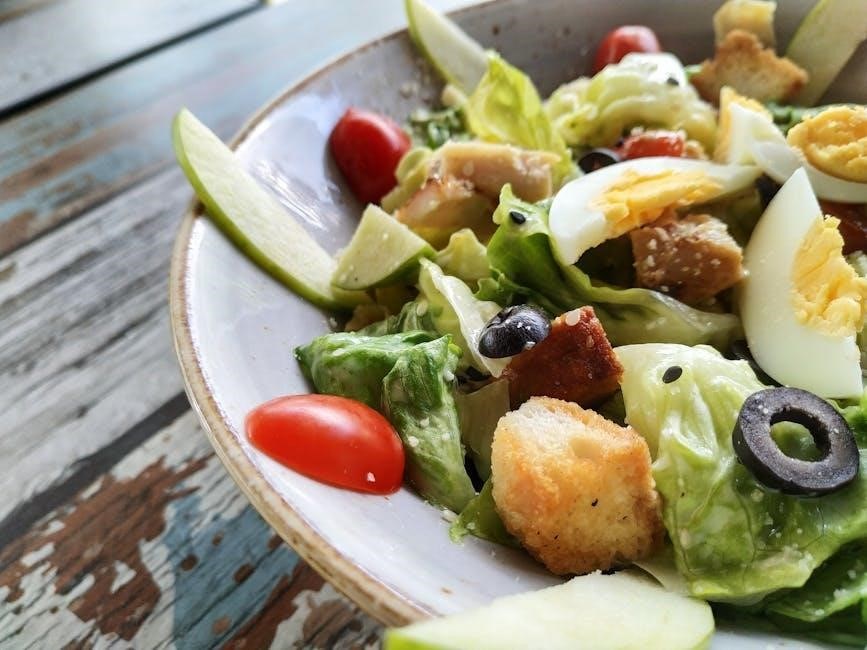
Patients are generally advised to avoid all fresh fruits and vegetables, even if thoroughly washed, due to the heightened risk of fungal and bacterial contamination. All foods must be fully cooked to eliminate potential pathogens. Unpasteurized products are strictly prohibited, alongside fermented items.
PDF resources emphasize the importance of a completely sterile food preparation environment, including meticulous handwashing and surface disinfection. Water sources must be filtered or boiled. Hospital-provided diet plans, often detailed in these PDFs, are frequently recommended during the initial recovery phase to ensure adherence and minimize infection risk.
Long-Term Dietary Considerations
Neutropenic diet PDFs often address the gradual transition towards a more liberalized diet as neutrophil counts recover post-transplant. However, long-term vigilance remains crucial. While restrictions loosen, maintaining impeccable food safety practices is consistently emphasized.
Resources suggest a phased reintroduction of foods, starting with well-cooked, easily digestible options. Monitoring for any signs of infection is paramount. Some PDFs recommend continued avoidance of raw sprouts and certain high-risk produce, even with improved immunity.
Long-term adherence to safe food handling – thorough washing, proper cooking temperatures, and avoiding cross-contamination – is consistently highlighted. Regular consultation with a registered dietitian, utilizing the information within these PDFs, is encouraged to personalize dietary plans and ensure nutritional adequacy throughout the recovery journey.

Finding Neutropenic Diet PDFs and Support
Hospitals frequently provide detailed neutropenic diet PDFs, alongside online resources. These documents offer crucial guidance on food safety and appropriate dietary choices.
Reliable Online Resources for Neutropenic Diet Information
Accessing trustworthy information is vital when navigating a neutropenic diet. Many hospitals and cancer centers offer downloadable PDFs detailing specific guidelines. These resources often include comprehensive food lists, categorized by safety level, and practical advice on preparation techniques. Look for materials from reputable medical institutions like the National Cancer Institute or major hospital networks.
Be cautious of general health websites; prioritize those specifically addressing neutropenia and stem cell transplant diets. Patient advocacy groups also frequently compile helpful resources and downloadable guides. Remember to verify the source’s credibility and ensure the information is current, as dietary recommendations can evolve. Searching for “[Hospital Name] neutropenic diet PDF” can yield targeted results.
Hospital-Provided Diet Plans
Many hospitals specializing in oncology and stem cell transplantation provide detailed, personalized neutropenic diet plans, often available as downloadable PDFs. These plans are typically created by registered dietitians experienced in managing the nutritional needs of immunocompromised patients. They consider individual treatment protocols and potential medication side effects.
These PDFs often include sample meal plans, shopping lists, and specific instructions for food preparation and storage. Requesting a diet plan from your healthcare team ensures the recommendations align with your specific medical situation. Hospital-provided resources are generally the most reliable source, offering tailored guidance beyond generic online information. Don’t hesitate to ask for clarification on any aspect of the plan.